
Why Disc Golf
More than a game. a smart investment in community, health and place.
Discover why councils, schools, developers and landowners across Australia are choosing disc golf to activate space, connect people and deliver lasting value.
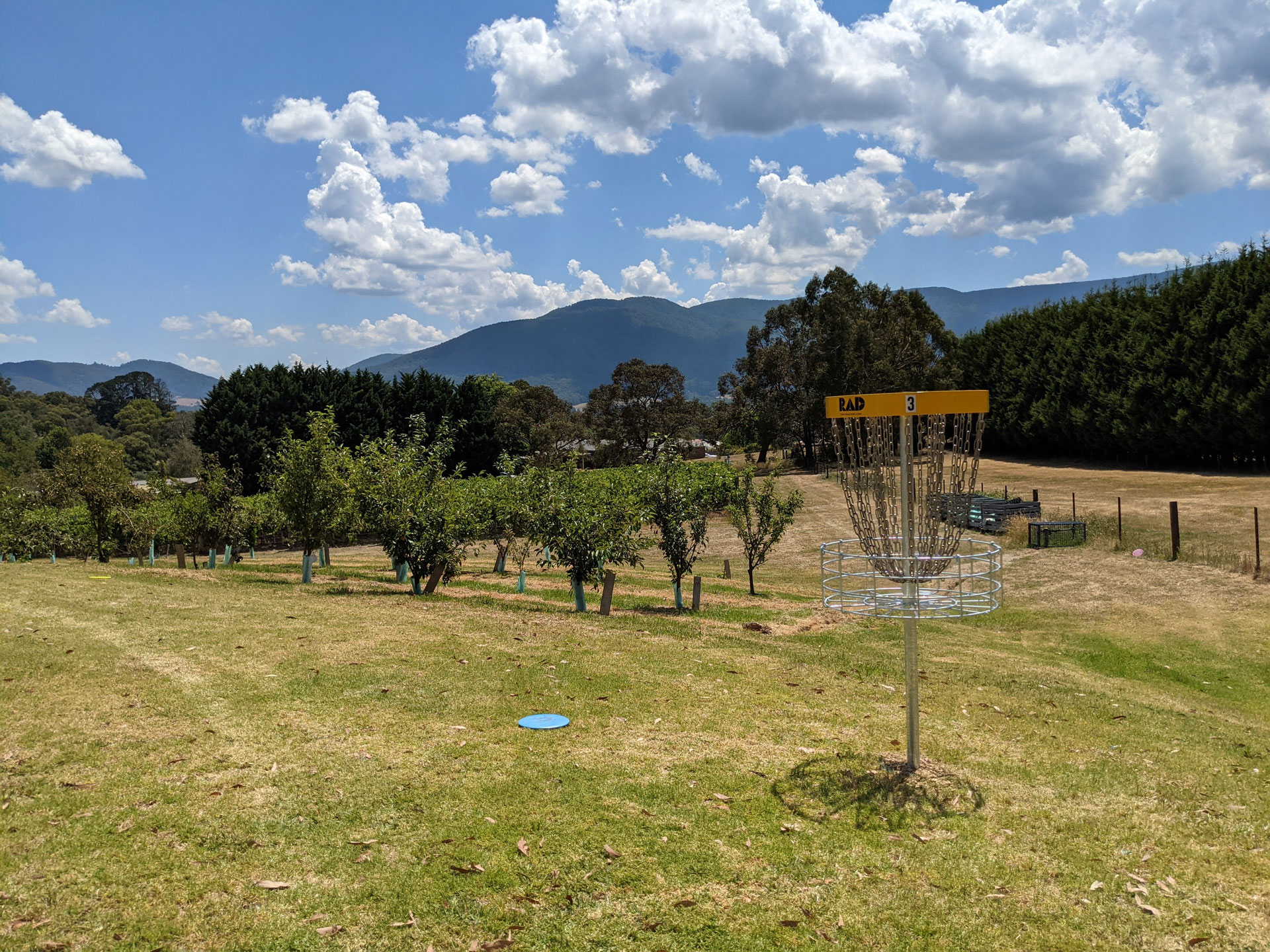
The Case
Proven Benefits for Communities and Landowners
The case is backed by evidence from hundreds of successful installations worldwide.
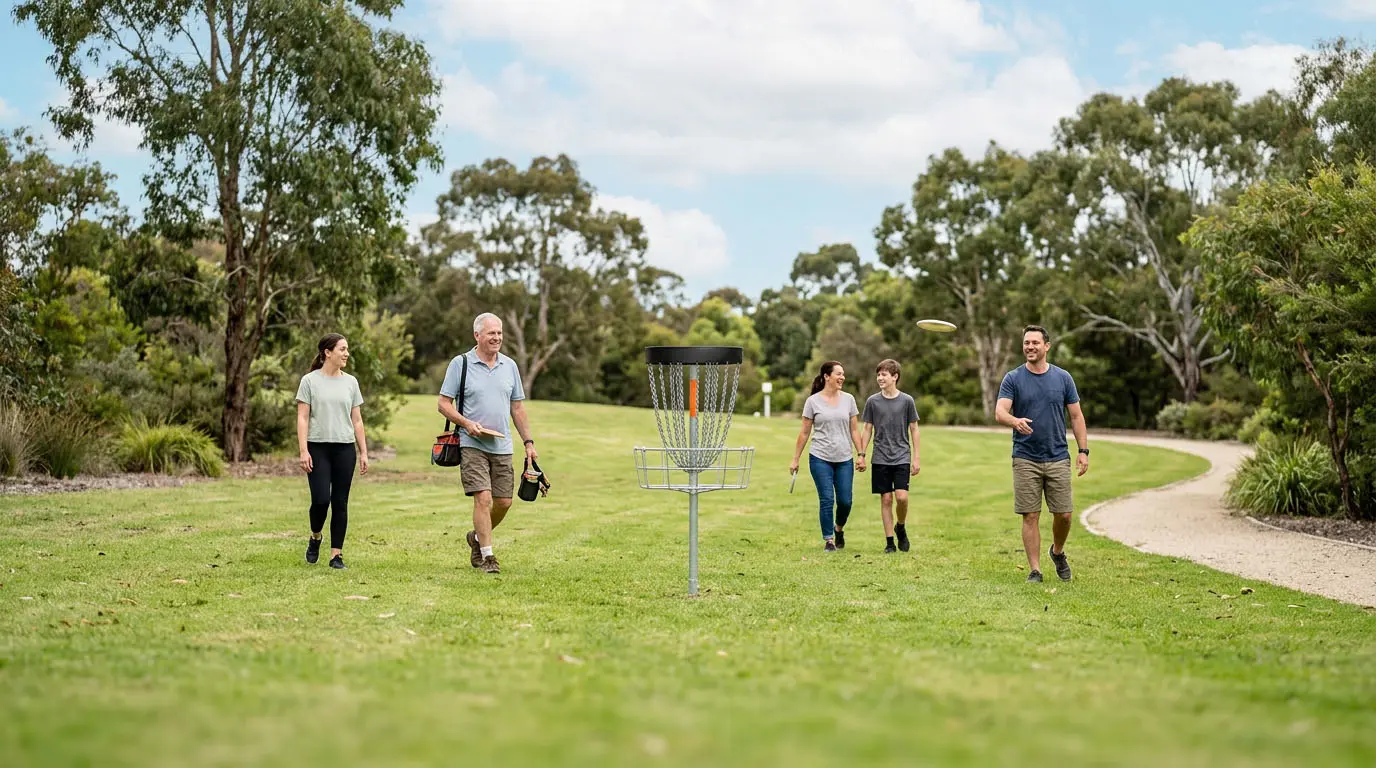
Health and wellbeing
Low-impact physical activity, time in nature, and the mental health benefits of outdoor recreation.
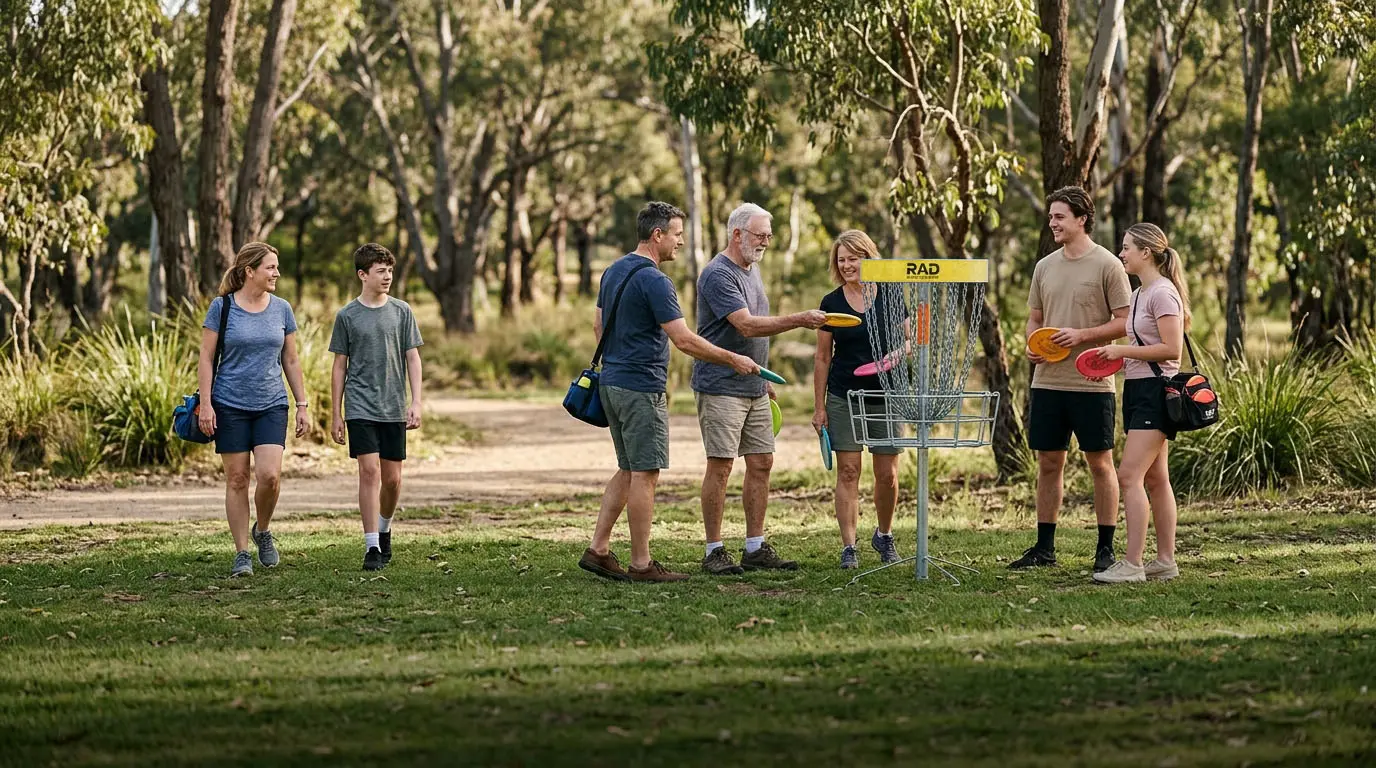
Social connection
Builds intergenerational community, reduces isolation, and creates inclusive gathering spaces.
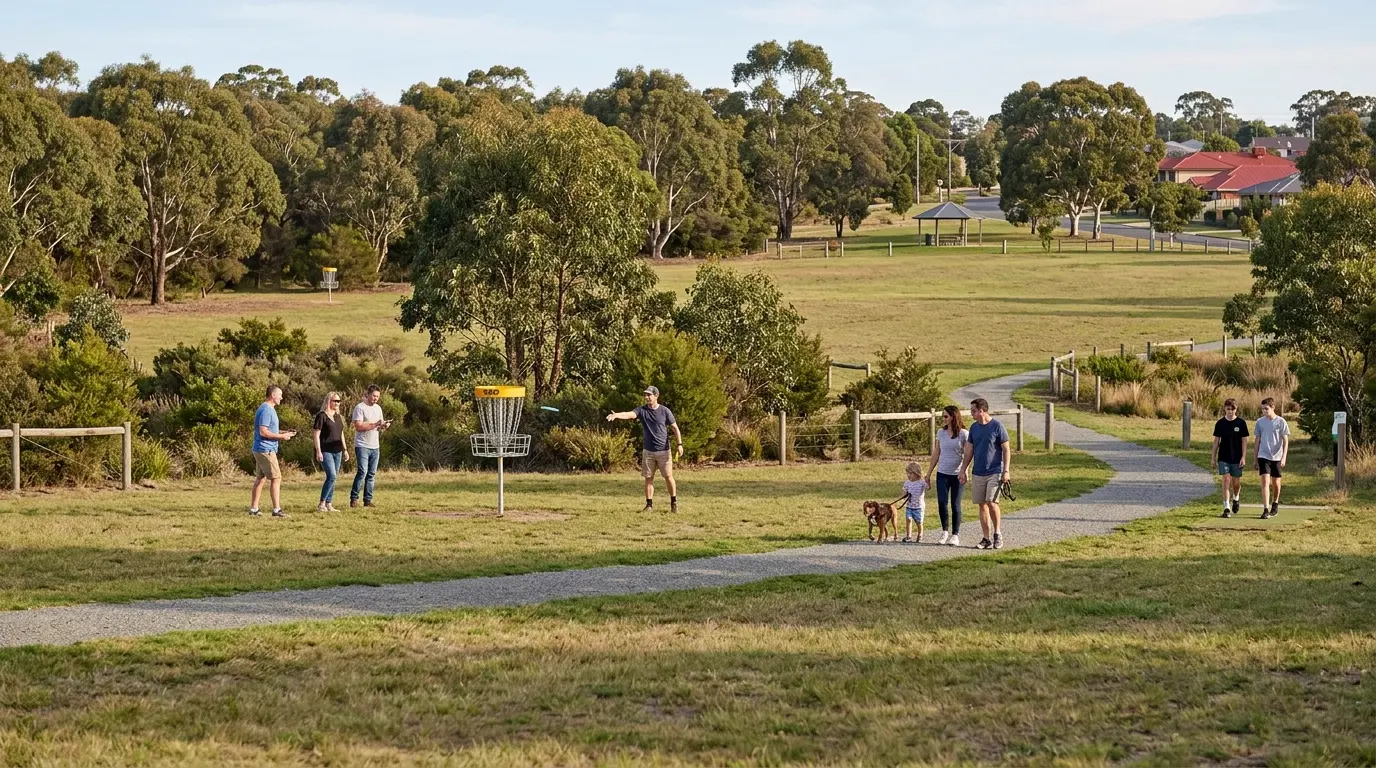
Park and land activation
Turns underutilised land into vibrant, positive-use destinations that deter antisocial behaviour.
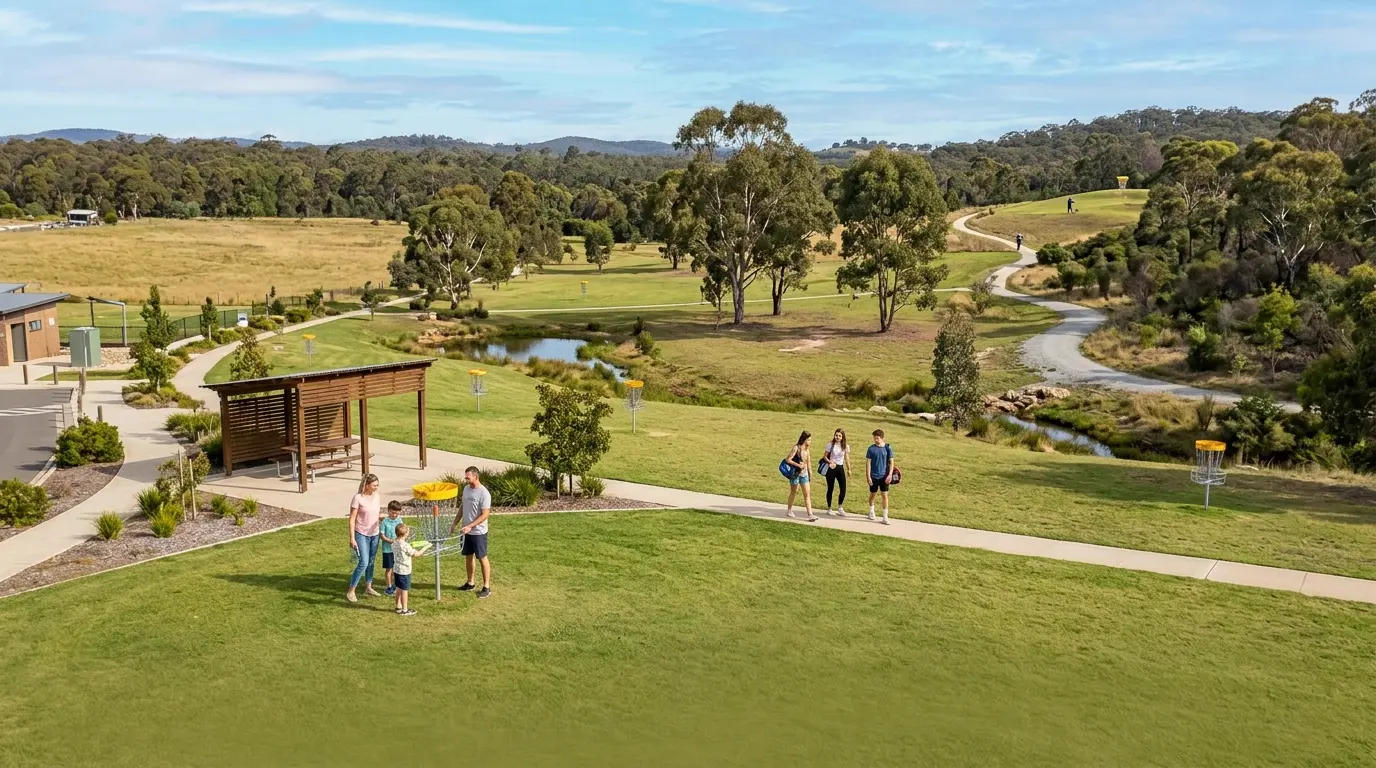
Flexible formats
Courses can fit 2 hectares or 200, with permanent, seasonal, or pop-up layouts.
Participation
Recreation That Works for Everyone
Low-cost, low-impact and welcoming to all ages and abilities.
All ages and stages
From school kids to retirees, the course adapts to the player. No one sits on the bench.
Comparison
Disc Golf vs Traditional Infrastructure: A Practical Perspective.
When evaluating recreation and activation options, disc golf consistently delivers high impact for comparatively modest investment.
This is a general comparison. Every site is unique and requires individual assessment.
Tourism
A Growing Tourism and Economic Opportunity.
Destination-quality disc golf courses attract visitors, support local businesses and create a new reason for people to stay longer and explore further.

Destination Drawcard
Courses in scenic or unique locations attract travelling players and events.

Events and Tournaments
From local leagues to national championships, events bring visitation and spend.

Complementary to Existing Tourism
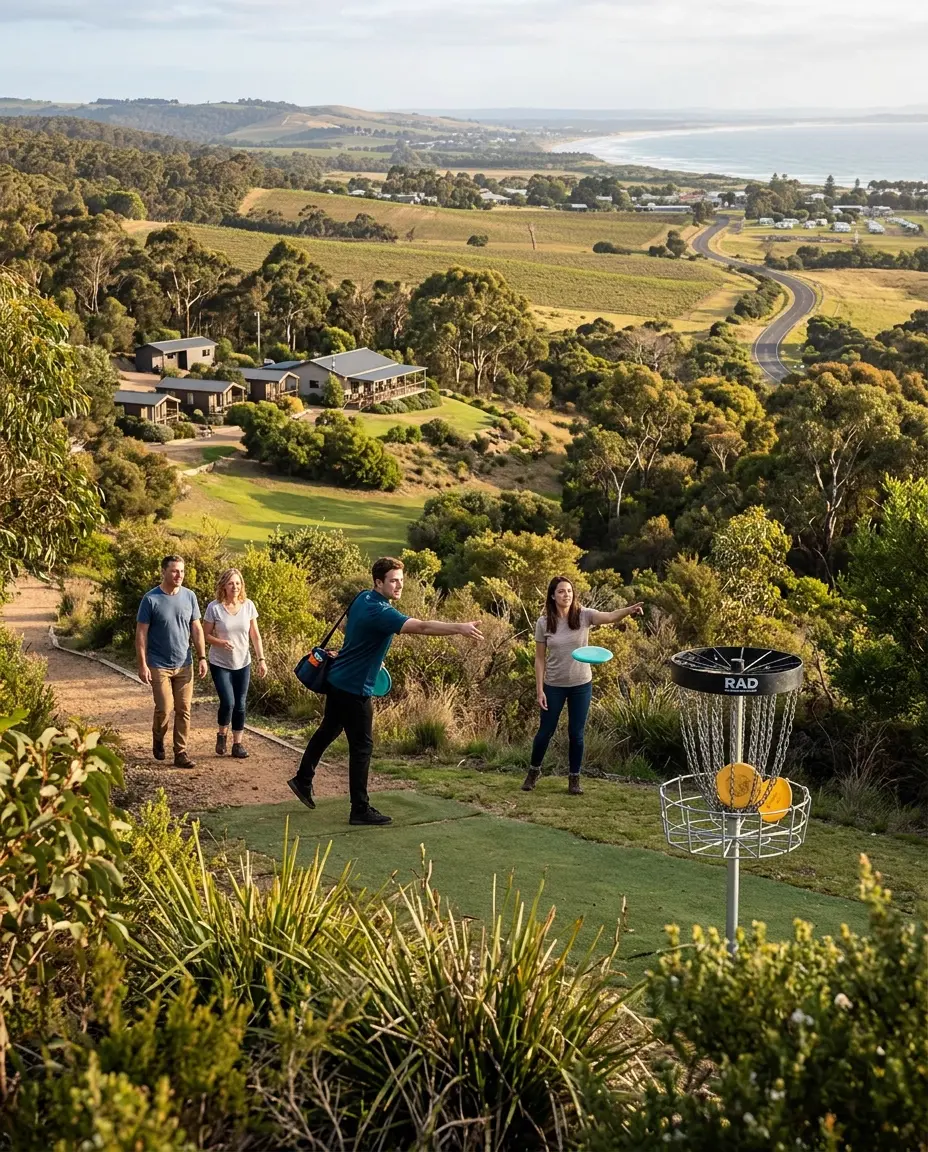
Pairs naturally with camping, wineries, mountain biking, hiking and regional road trips.

Year-Round Appeal
Unlike seasonal sports, disc golf is playable in most Australian climates all year.
Education, Youth Developmentand Curriculum Fit
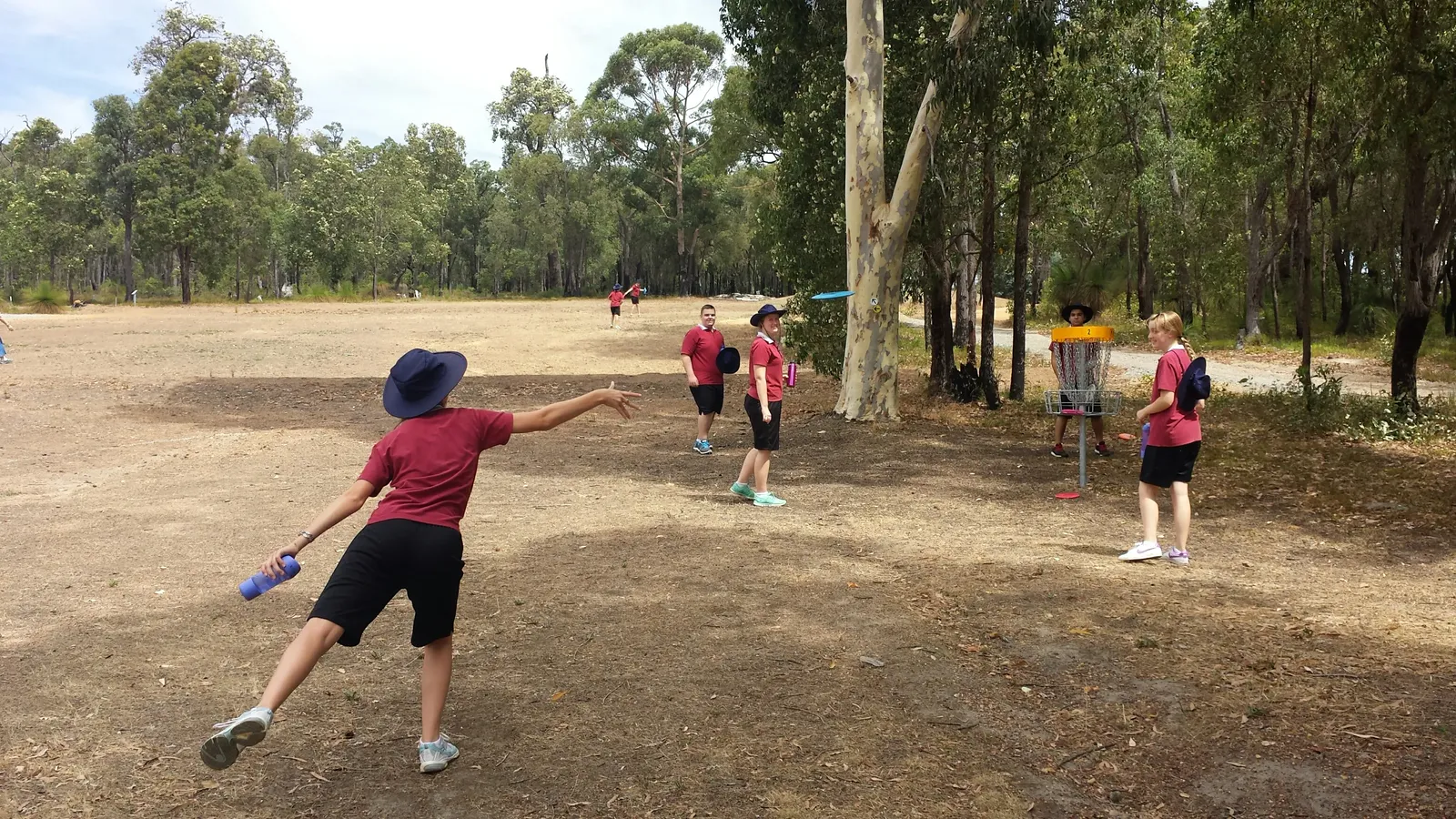
Schools and universities are embedding disc golf into sport, outdoor education and wellbeing programs with compelling results.
Curriculum-aligned
Supports HPE, outdoor education and STEM through the physics of flight and environmental science.
Inclusive PE
Engages students who may not participate in contact or traditional team sports.
FAQs
The Questions We Get Asked
Straight answers on depth, environment, safety, suitability and cost.
Is disc golf just throwing a frisbee at a basket?
It starts there, but the sport has real depth. Players use a range of discs for drives, approaches and putts across varied terrain. There is a professional tour, a world championship and courses designed by specialists who understand flight paths, risk-reward strategy and environmental integration.
Does it damage the environment or bushland?
A well-designed course protects the land. We use low-impact routing, natural tees and erosion controls to keep the landscape intact. Native vegetation is preserved and courses can even support conservation by formalizing paths and keeping people away from sensitive areas.
Will it attract antisocial behaviour?
The opposite. A disc golf course brings positive, regular activity to a space. More people means more eyes on the park, which creates natural passive surveillance. When a community takes ownership of a course, it becomes a point of pride, not a problem.
Is every park or property suitable?
No — and we will tell you honestly if yours is not. Site suitability depends on size, terrain, safety buffers, ecology, access and community context. That is exactly why our feasibility assessment exists. We never recommend a course where it will not work.
How much does a course cost?
Costs range from a basic community layout to a championship-level destination. What drives the budget is land preparation, basket quality, tee surfaces and design complexity. Professional design saves money long-term by avoiding expensive fixes. Start with an Assess Your Site enquiry and we will give you a clear picture.

Next Step
Explore Feasibility
The case for disc golf is strong, but every site is different. Send us your land and we will tell you honestly whether it stacks up.