
A Boosting Local Economies Low-Cost Sport with High Economic Returns
Picture this: A quiet corner of your local park, underused and a little overgrown. Now imagine it transformed into a buzzing community hub that attracts tourists, creates jobs, and keeps locals engaged and active. This is the economic potential of disc golf, one of the fastest-growing, most inclusive, and cost-effective outdoor sports in the world a trend reflected across the growth of disc golf in Australia as regions embrace the sport for recreation and tourism.
For councils, schools, and community developers looking for smart, future-fit infrastructure investments, disc golf delivers exceptional return on investment, especially when designed with digital integration in mind. Let’s explore how.
Visitor Spend, Local Jobs, and Events: Measuring Disc Golf’s Impact
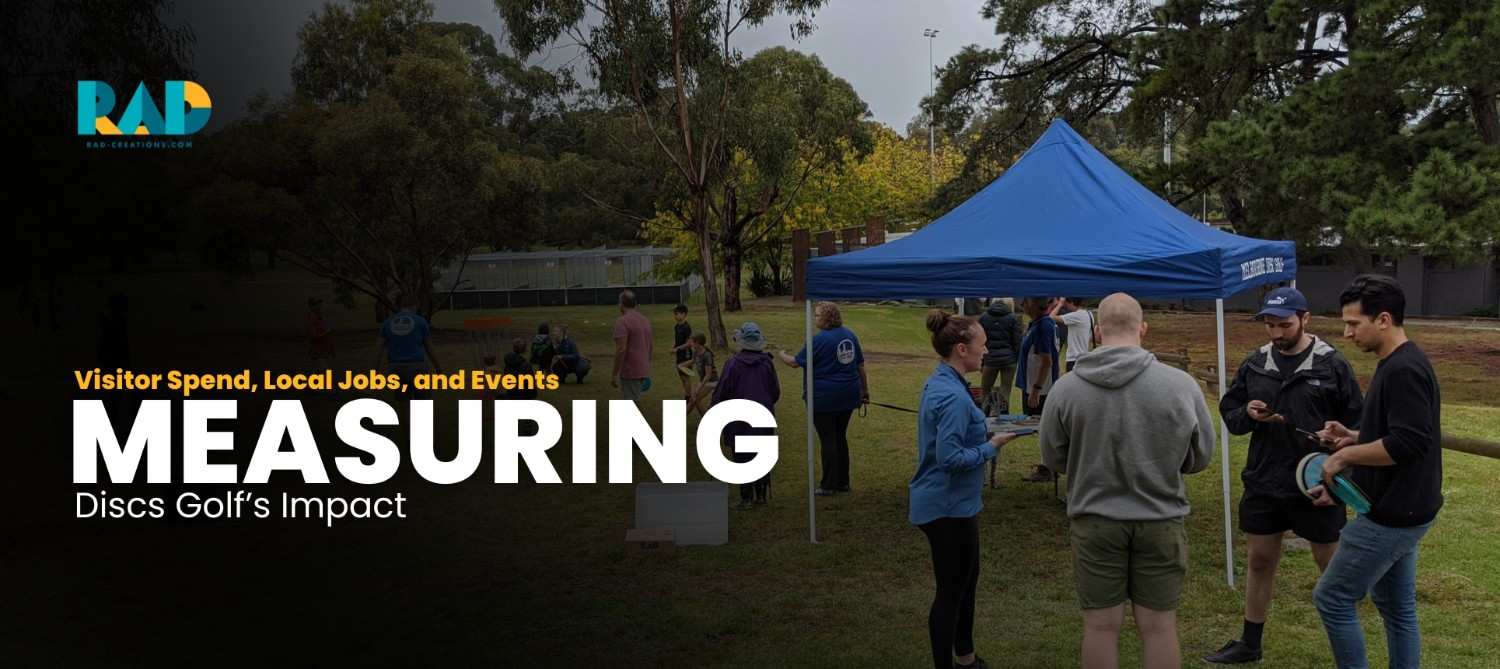
Boosting Local Economies Disc golf events, ranging from casual club days to major tournaments, drive meaningful visitor spend. When players travel, they book accommodation, dine out, and visit local attractions. A 2022 UDisc report found that events can inject over $100,000 AUD into regional economies over a single weekend outcomes that mirror case studies like RAD’s course boosting local economy and visitor numbers.
But it doesn’t stop at tourism. Disc golf also creates:
- Event jobs in planning, logistics, and hospitality
- Maintenance roles for ongoing course upkeep
- Coaching and mentoring opportunities for schools and clubs
Local context tip: Western Australian regions like the South West, Peel, and Wheatbelt are already exploring RAD-designed courses to draw both community and tourism dollars similar to the outcomes showcased in various RAD Disc Golf Projects across the country.
Keywords:
Disc golf event tourism, local job creation from disc golf, how disc golf events generate local revenue
Why Disc Golf Offers the Best Cost-to-Use Ratio in Public Recreation

Unlike Boosting Local Economies skateparks or tennis courts, a professional disc golf course can be installed for a fraction of the cost, often under $25,000 for a full 9-hole setup. And yet, that single course can support tens of thousands of rounds per year with minimal wear and tear.
Why disc golf wins the cost-to-use ratio:
- Low infrastructure costs, primarily baskets and signage
- Minimal maintenance compared to other sports facilities
- High throughput, with dozens of players using the space simultaneously
RAD enhances this value by offering smart course designs equipped with GPS-based tracking, digital scorecards, and AR tools. And for councils comparing equipment choices, RAD’s premium disc golf targets and course equipment ensure longevity, safety, and low lifetime cost.
Keywords:
Public recreation cost-effectiveness, low-cost public park upgrades, budget-friendly community sports infrastructure
How a Small Investment in Play Creates Big Community Returns Boosting Local Economies
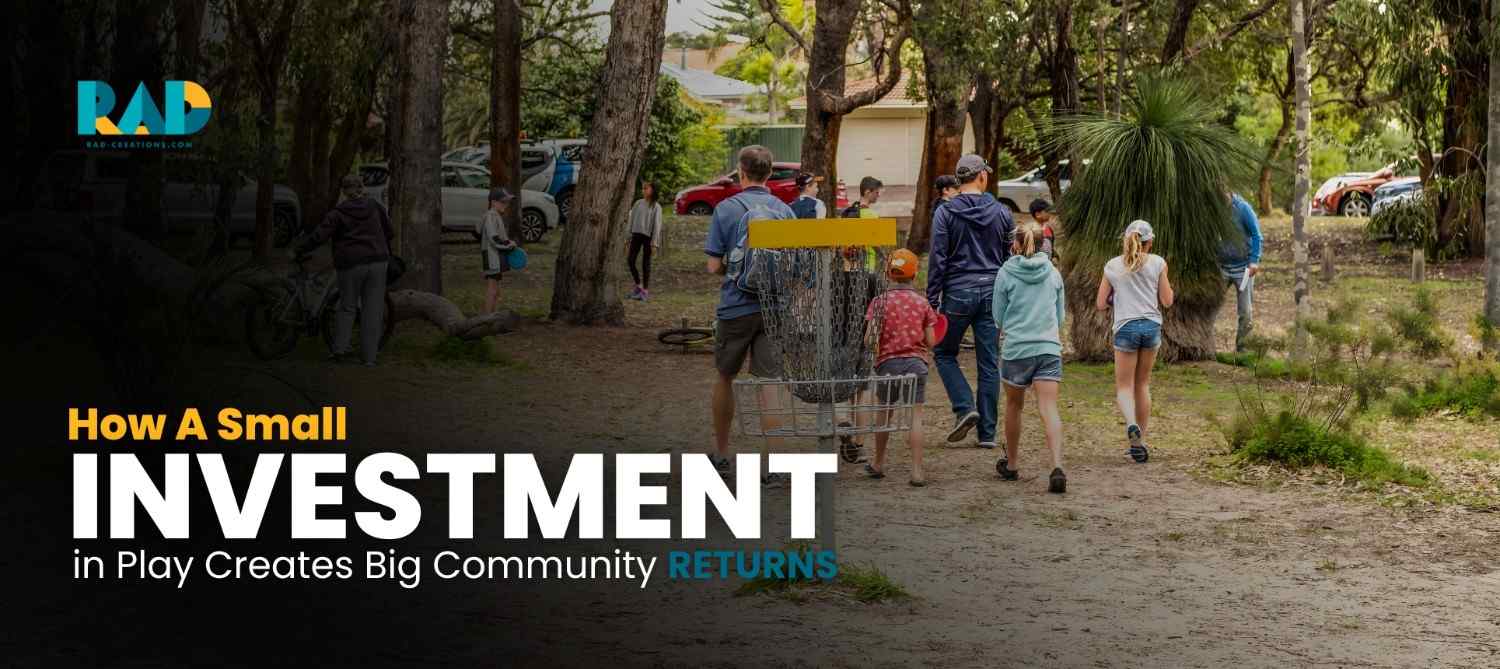
Boosting Local Economies Disc golf isn’t just fun. It is a catalyst for stronger, healthier, more connected communities.
- Social inclusion for all ages, skill levels, and backgrounds
- STEM and education integration through augmented reality, spatial mapping, and digital tools
- Revitalisation of underused land into active, environmentally friendly spaces
RAD’s sustainable course designs focus on blending with the natural environment, reducing ecological impact, and creating shared green spaces that encourage ongoing community use — outcomes demonstrated in transforming communities with RAD disc golf.
Keywords:
Sustainable recreation economic value, community sports investment returns, how public parks benefit from disc golf courses
Why Councils and Planners Should Invest Now Boosting Local Economies
Boosting Local Economies Disc golf is more than a game. It is a strategic, inclusive, and tech-forward investment. RAD’s data-ready course designs turn public land into smart recreation assets that:
- Enhance community engagement
- Attract new visitors
- Support digital learning in schools
- Position your town for smart-city and recreation funding
With a low barrier to entry and a high return on investment, disc golf is an ideal option for councils, schools, and developers looking to create meaningful impact with minimal cost.
Frequently Asked Questions About Boosting Local Economies
What is the ROI of building a disc golf course?
Most councils see a positive return in the first year, especially when hosting local events. Revenue stems from tourism, increased park usage, club activity, and higher community engagement with very little maintenance cost.
How does disc golf support local job creation?
Courses support event staffing, coaching programs, course maintenance, and seasonal tourism roles. Some cities even create disc golf ambassador programs or assign park rangers for added engagement.
Is disc golf a smart investment for small towns or rural areas?
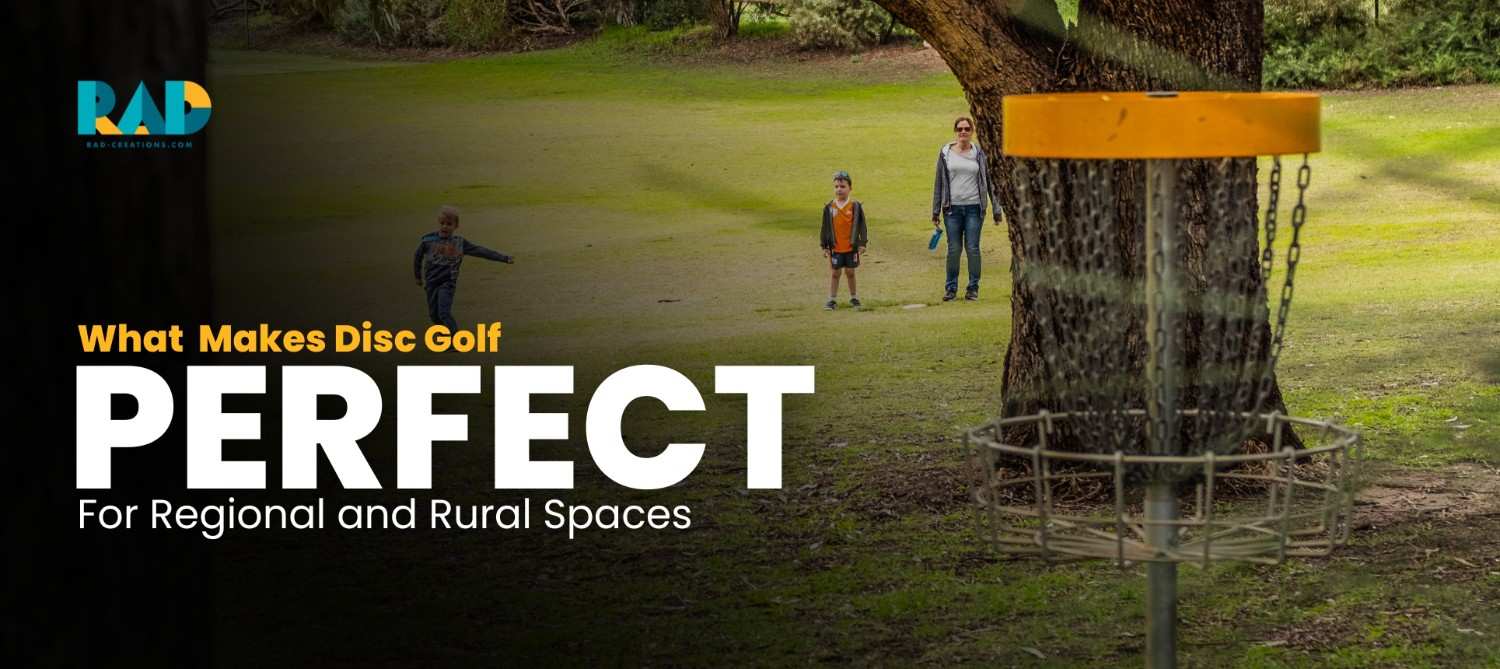
Yes. Smaller towns benefit from low installation costs, regional tourism potential, and the revitalisation of underused spaces, especially when enhanced by RAD’s digital tools and sustainable design.
To begin planning your own community or regional project, the RAD team is ready to help through the RAD Contact Page.
Across Australia, more destinations are proving how disc golf can boost community activity and local economies. Families travelling through regional WA often explore nearby recreation areas such as Albany Holiday Park, where outdoor sport offerings continue to grow. Visitors seeking established layouts can easily find courses nationwide through the Australian Disc Golf course directory, which highlights both emerging and well-known locations. Popular facilities like Alexander Heights Disc Golf Park show how community courses maintain consistent player traffic. And for travellers exploring Victoria, the scenic Bald Hill Park Disc Golf Course demonstrates how a single well-designed course can enhance visitor experiences and encourage repeat visits.

Leave A Comment