
Pitch putt vs push putt is a comparison many disc golfers search when they are trying to build a more consistent putting style. The confusion is understandable because some players use the two terms as if they mean the same thing, while others separate them by form and release.
For players trying to improve inside the circle, the real goal is not picking the “best” style in theory. It is understanding how each one works, what each style asks of your body, and which motion gives you the cleanest, most repeatable release under pressure.
Pitch Putt in Disc Golf
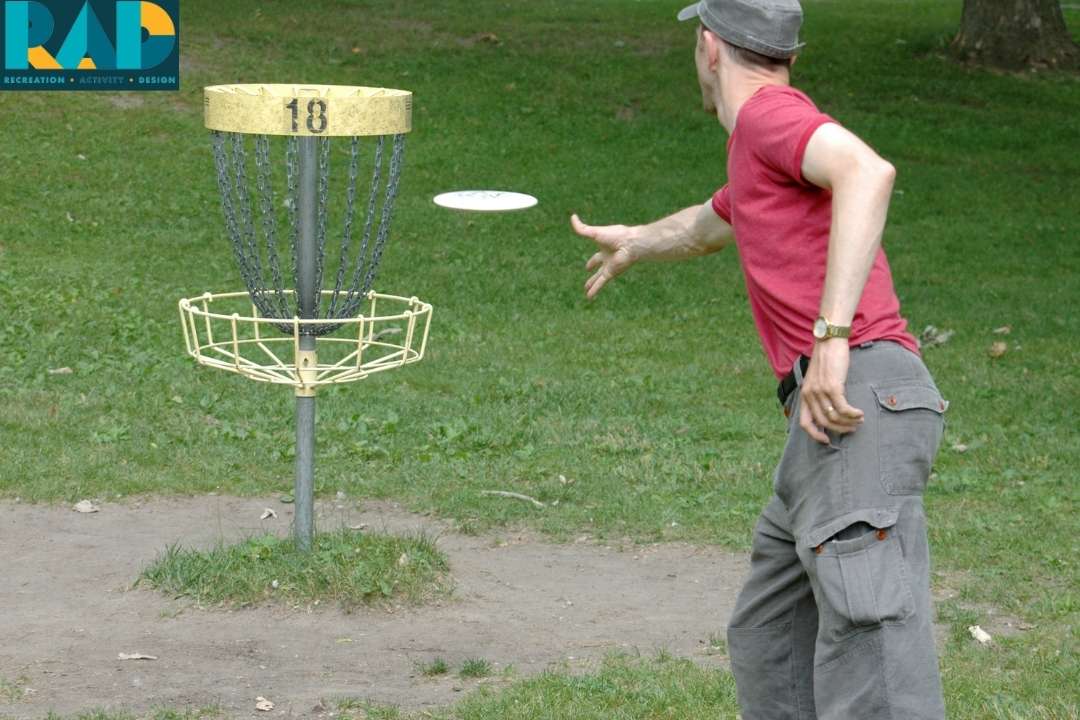
A pitch putt in disc golf sends the disc on a softer, more lofted path toward the basket. The player uses a smoother upward motion and lets the putter float toward the chains. This move allows for more control of the disc instead of speed and power delivered by a heavy spin.
This style usually involves a straighter arm action and a gentle release. The disc tends to leave the hand with less spin, giving it a slower, more delicate flight. Pitch putt is similar to golf putting, a means of easing the ball or disc towards the hole.
A good pitch putt is often built around timing and a clean release. The player still uses their body, but the motion usually looks more relaxed and less aggressive than other putting styles. For many disc golfers, it is natural inside the circle because it helps them focus on height, line, and soft landings near the basket.
Push Putt in Disc Golf
A push putt in disc golf is about accuracy instead of speed. The putt is done with a clean, controlled motion. Instead of trying to generate a lot of spin with the wrist, the player uses their legs, balance, and forward extension to move the putter on line.
For a lot of players, a push putt is calmer than other putting styles. The motion usually starts with a small bend in the knees, then rises upward through the body as the arm extends toward the chains. The disc comes out softly, often with less spin, and travels on a gentler path than a spin putt.
A smooth flight increases the player’s chances of landing the disc in the basket. It’s the type of push done to just ease the disc towards the goal instead of forcing it to hit the basket. The timing with the hand motion upon release is key to executing a good push putt.

Pitch Putt vs Push Putt in Disc Golf: The Main Difference
Pitch putt, and push putt are close enough that many players mix the terms, but they are not be the same in the hand. The difference usually comes down to how the disc is lifted, how the body supports the release, and what flight the player wants by the basket.
The Release
A pitch putt is usually best more like you are floating the disc upward toward the chains. The release often looks softer and a little more touch-driven, with the putter carrying on loft rather than being sent straight forward.
A push putt still stays controlled, but it often becomes more direct. The player uses the body to move the disc forward with a cleaner push through the line. It is not about snapping it hard, but it is usually more driven than a pitch putt.
The Body Movement
With a pitch putt, the motion is more relaxed and finesse-based. There is still body involvement, but the putt tends to lean more on touch and timing. It attempts to get the disc rise naturally on the intended line.
A push putt usually shows more obvious help from the legs and weight shift. The player loads into the stance, rises through the putt, and extends toward the target. That gives the motion a more connected, full-body be without turning it into a power putt.
The Flight Path
Pitch putts often have more loft. The disc climbs a little more and drops into the basket on a softer arc. That arc path is suitable for players who like seeing the putter float and settle into the chains.
Push putts are often flatter and more direct, even if they still have some arc. The disc tends to travel on a firmer line, which can make the putt be more repeatable for players who prefer a straighter visual path to the target.
One Style Leans More Toward Touch, The Other Toward Structure
The simplest way to separate them is this. A pitch putt usually has more touch-based and lofted, while a push putt often has more body-driven and direct. They are closely related, and many players blend parts of both, but the main difference is in how the disc gets to the basket rather than where it ends up.
How to Know Which Putting Style Fits You
The right putting style is the one that feels repeatable under pressure while it matches your natural motion. A pitch or push putt should help you trust the disc when you are standing over an important putt.
Start With What Feels Natural
A good place to start is by noticing what your body wants to do without overthinking it. Some players naturally lift the disc with more touch and loft, while others feel more comfortable using a firmer, more direct motion. That first instinct matters because a putting style usually holds up better when it works with your natural rhythm instead of against it.
Pay Attention to Your Misses
Your misses can tell you more than your makes. If your putts keep floating high, dying early, or falling short, you may be using a style that does not match your timing or release point. If your misses keep carrying too far past the basket, you may be putting with more force than you can control consistently. The goal is not just making putts. It is learning what kind of miss your stroke creates.
Think About How You Create Power
Some players like using their legs and weight shift to move the disc toward the basket. Others feel more comfortable with a softer, touch-based release that lets the putter float on line. Neither approach is automatically better. What matters is how easily you can repeat that motion when the pressure goes up, and your mechanics start getting tested.
Test Your Putt at Different Distances
A style that feels good from 15 feet may not feel as natural from 25 or 30. That is why it helps to test both putting styles across different ranges rather than judging them too quickly. One style may feel cleaner on shorter putts, while the other may hold its shape better when you need a little extra reach without changing your form too much.
Notice What Builds Confidence
Confidence matters more in putting than many players want to admit. If one style makes you feel calm, balanced, and clear over the disc, that usually counts for a lot. A technically sound putt still needs trust behind it. The best style for you is often the one that gives you the strongest sense that the disc is coming out the same way every time.
Do Not Force a Perfect Label
A lot of players do not use a completely pure pitch putt or a completely pure push putt. Their stroke sits somewhere in between. That is normal. You do not need to force your motion into a strict category just to feel like your form is correct. You need a putting style that you can repeat, adjust, and rely on when the round gets tight.
Conclusion
A pitch putt vs a push putt is less about finding a motion that lets you reach the goal accurately. A good approach is to test both, pay attention to your misses, and stick with the style that gives you the cleanest release and the most confidence inside the circle. For most disc golfers, long-term putting improvement comes from repetition, comfort, and trust more than from forcing a style that never quite feels natural.
RAD creations can create courses for players of different skill levels. Contact us for the right course to practice and execute your pitch or push putt.
FAQ
Is one style better in windy conditions?
Wind can make the difference between these styles feel more obvious. A pitch putt’s extra loft can be harder to trust in a headwind, while a push putt may feel easier to keep on a firmer line. In a tailwind, some players like the softer drop of a pitch putt. The key is testing both in real conditions.
Does your putter choice affect pitch putt vs push putt?
Yes, it often does. A deeper or more glidey putter may feel better for players who like loft and touch, while a flatter putter can feel cleaner for a more direct release. Grip comfort matters just as much as flight. A style can improve quickly when the putter actually feels right in your hand.
Should you use the same putting style for every lie?
Not always. Some players keep one main stroke for normal putts, then make small adjustments for knee putts, straddle putts, or longer edge-of-circle looks. That does not mean changing your identity on every attempt. It usually means keeping the same base motion while adapting your stance, height, or pace to the lie.





Leave A Comment