
Disc Golf on Golf Courses: How the Two Sports Can Work Together
It seems like golf and disc golf have been at odds for the last few decades. While one is traditional, the other is new and all-inclusive. So, do they meet in the middle? Well, no, but the two coexist and offer unique advantages for players of all ages and skill sets.
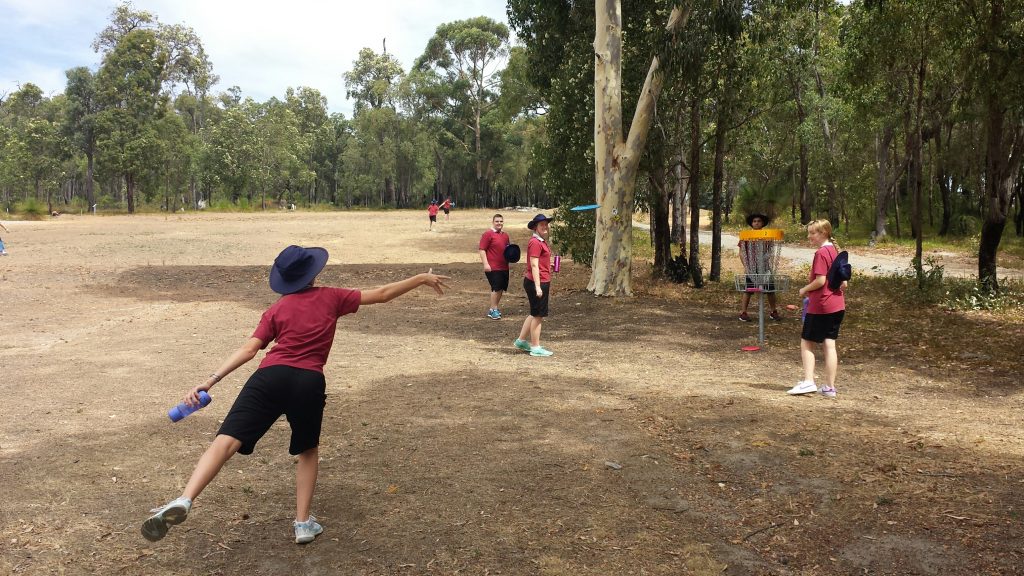
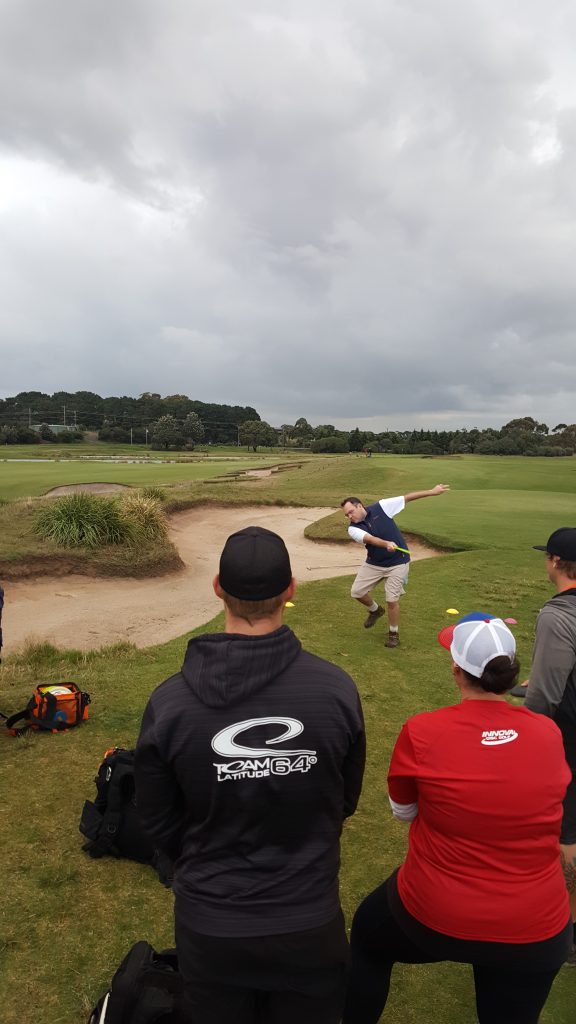
Mundaring Sporting Club marries the two sports in one great club, making disc golf and traditional golf both affordable and easily accessible. So, what is the benefit of having both sports in a sporting club? Because golf has had such a long career, it can easily bring traditional athletes to disc golf while still maintaining its original pull for ball golfers, and disc golfers can enjoy ball golf at a lowered price, perfectly marrying the two sports.
HOW IT BEGAN
Golf began in roughly 1421, starting off—believe it or not—as nothing like a gentleman’s sport. In fact, it began as whacking pebbles, and it didn’t become an official sport for another seventy years. Golf has evolved over the years to invite people of all skill sets, from novices to highly trained professionals. But the game has lost some of its thunder. The sport, however, has become popular in a new form: it’s younger brother, disc golf.
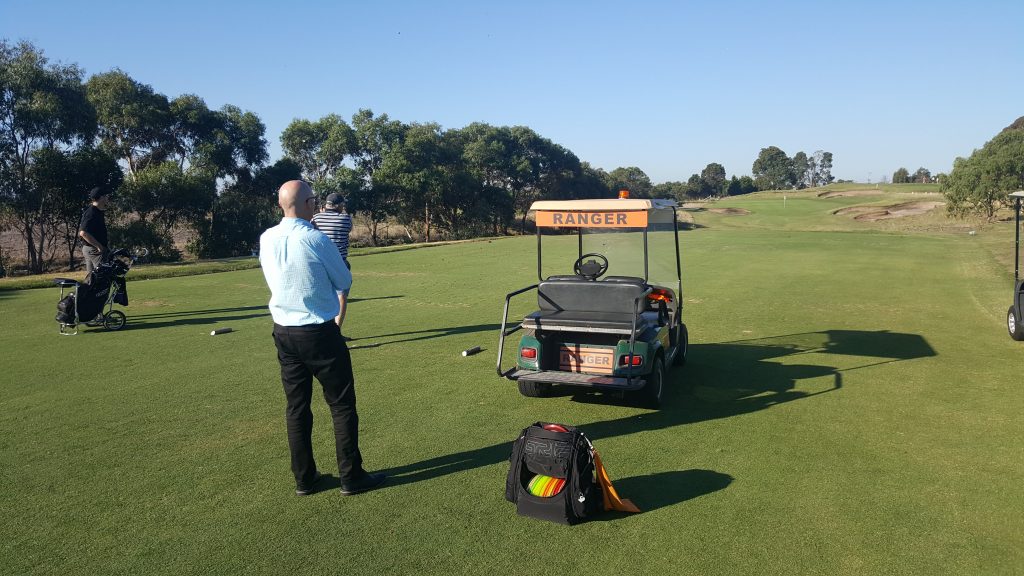
Disc golf’s basic playing principles still lie in ball golf, but the Frisbee’s introduction into disc golf came through target practice. Throwing discs and pie tins at trees may not have been glamorous, but it started a revolution. Now, the revolution of both sports in clubs available simultaneously has taken advantage of the popularity of both disc golf and ball golf.
Why Disc Golf on Golf Courses Is Gaining Attention
Disc golf on golf courses is gaining attention because clubs are under more pressure to make better use of the land they already have. Many courses sit on large, well-maintained spaces that can support more than one kind of play when the layout is handled properly. Instead of leaving parts of a property underused, clubs can introduce disc golf in ways that bring new life to the venue without removing traditional golf.
Another reason is accessibility. Disc golf is generally easier and cheaper to try, which makes it appealing to younger players, families, casual groups, and people who may feel intimidated by ball golf. That lower barrier to entry gives clubs a practical way to welcome a broader mix of visitors. Some people arrive for disc golf and become interested in the wider club environment. Others already involved in golf may be open to trying something different in the same setting.
Clubs are also paying closer attention to changing recreation habits. People still want outdoor activities, but many are looking for options that feel flexible, social, and affordable. Disc golf fits that shift well. When it is introduced on an existing golf course with clear planning, it can create more activity across the property and make the venue feel more relevant to the local community.
ADDING DISC GOLF
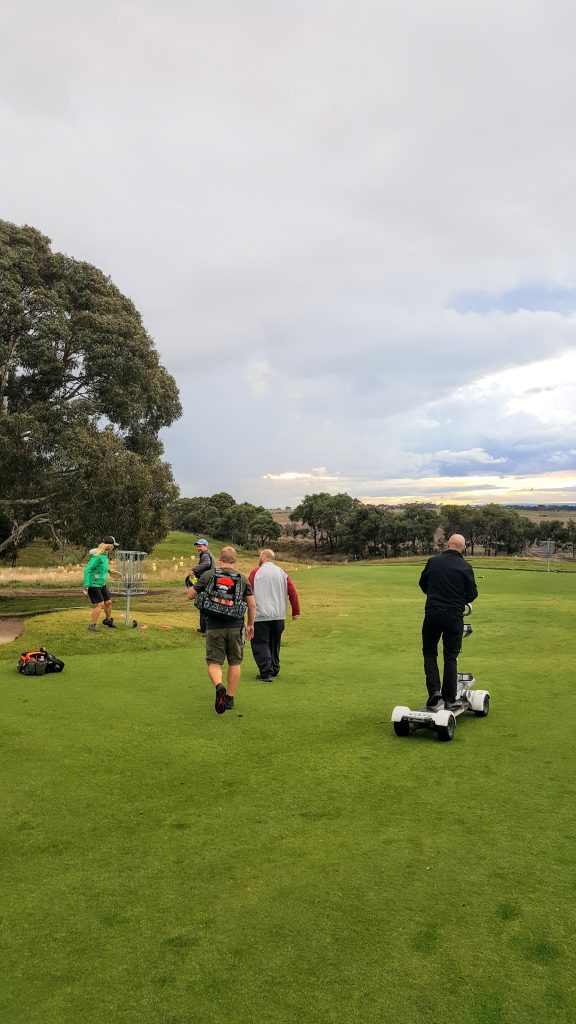
Because a majority of disc golf’s playability depends on the location and innovation of a course’s landscape, adding disc golf to an already-established ball golf course is easy. A professional course designer can use both routine paths and delve into untraveled routes to effectively use space and take advantage of changes in terrain. Having the additional source of revenue through adding very little to an already-established course will boost the attendance of a popular golf club.
Ball golf is on the decline as people get busier and the difficulty of mastery has made many turn a cold shoulder to this traditional game. The revitalization of golf through disc golf is highly affordable, and it brings in people from all disciplines. Because disc golf is very popular with the younger generations, you’ll likely see in influx of varying demographics coming for one sport and staying for the other. Giving your club a boost through adding disc golf can also revitalize you golf course, so consider the effect adding a few baskets will have!
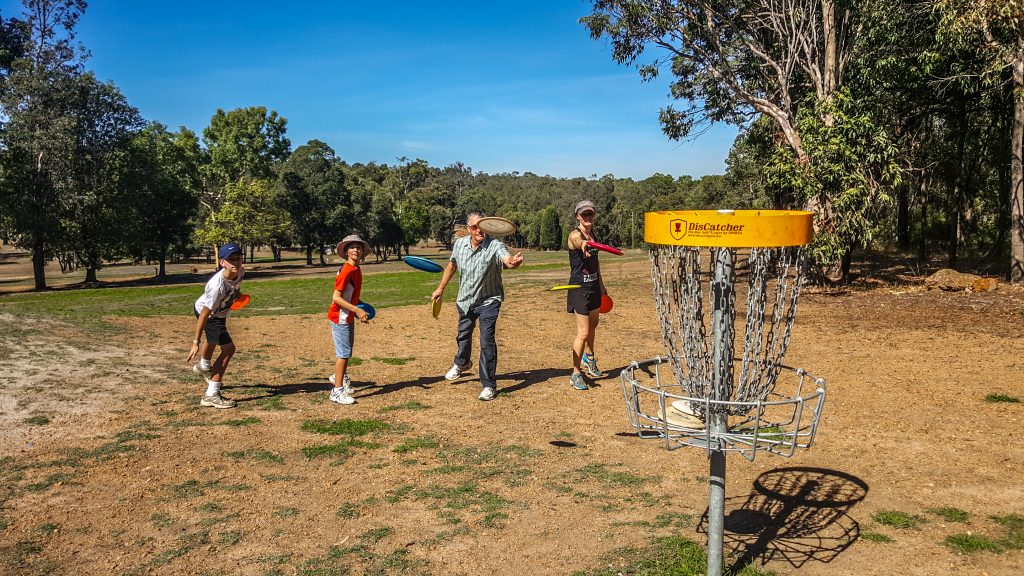
It’s no secret that the main reason for many golf-park closures has to do with the lack of incoming revenue. Many golf products come from the balls and memberships purchased. Because ball golf is on the decline, membership income is harder and harder to come by. Disc golf offers affordable products, and charging membership fees for access to both disc and traditional golf clubs makes it possible for people to take advantage of those benefits. And, the more people interested in either sport will increase the likelihood of membership in clubs.
Consider Mundaring Sporting Club. Like we’ve mentioned before, this sporting club includes both ball golf and disc golf, but the club doesn’t stop there. Along with its pre-evidenced golf course, it also envelops a string of disc golf courses, and it’s growing all the time! Paying a low membership fee of $245 annually includes national affiliation costs and access to the sporting club for both ball and disc golf. One of the best parts of this successful club is its community. It continues to gain members and inspire others to take up new sports and invite family members to its accommodating facilities. For more information, visit their website.
What Makes a Golf Course Suitable for Disc Golf
Not every property will suit a shared setup, but some layouts make disc golf on golf courses much easier to plan, safer to manage, and more enjoyable to play.
- Varied Terrain: A golf course with a mix of open ground, tree lines, light elevation change, and natural shaping tends to work well for disc golf. That variety helps create more interesting holes without needing major construction.
- Underused Areas: Some golf courses have rough edges, side sections, or quieter parts of the property that do not play a major role in the main golfing experience. These areas can often be used for baskets, tee pads, or connecting paths without disrupting regular golf traffic.
- Safe Separation Between Play Zones: A suitable course needs enough room to reduce overlap between flying discs and golf balls, as well as player movement. If fairways and walking paths are too close together, the setup can quickly become frustrating or risky for both groups.
- Clear Flow Across the Property: Disc golf works best when players can move from one hole to the next without crossing busy golf lines or creating confusion. A course with logical movement and easy navigation will support a much smoother shared experience. Good flow also helps keep pace of play under control.
- Club Support and Practical Management: Physical space matters, but the main use of a venue is as well. A course becomes more suitable for disc golf when the club is open to signage, scheduling, maintenance, and shared-use rules. Even a strong property can struggle if there is no support behind the layout.
The Benefits of Adding Disc Golf to Golf Courses
Adding disc golf on golf courses can allow clubs to diversify their available offer without investing in additional spaces or facilities. Club organizers or owners can increase membership numbers, which translates to additional revenue streams.
Better Use of Existing Land
Many golf courses already have the space, natural variation, and movement patterns needed to support disc golf. That means clubs may not need to start from scratch to introduce a new activity. Instead of leaving certain areas underused, they can turn parts of the property into something that adds more value without changing the whole venue.
This makes the site work harder as a recreational asset. With the right layout, the same property can serve more players in more ways.
A Lower Barrier for New Players
Disc golf is generally easier and more affordable to try than traditional golf. That makes it appealing to those who are not ready for a full golf membership or the cost of golf clubs and other equipment. For clubs, that lower barrier matters. It creates an easier entry point into the venue and helps introduce new people to the wider club environment.
More Revenue Opportunities
Adding disc golf can create extra income through casual play fees, memberships, events, clinics, group bookings, and equipment sales. It also gives clubs another offer to promote when they want to drive more local interest. That matters most to venues looking for ways to stay active and financially healthy without relying on any one type of player.
A Broader and More Diverse Community
Disc golf can bring in a different mix of ages, skill levels, and social groups. Some visitors may come for disc golf only, while others may become curious about traditional golf after spending time at the club. That crossover can help build a more welcoming and active community around the venue. A club with more variety in its visitors often feels more relevant and alive.
A Fresh Way to Keep Clubs Competitive
Recreational habits change over time, and clubs that adapt are often better positioned to remain useful to their communities. Adding disc golf shows that a venue is open to new forms of play without giving up what already works. It is not about replacing traditional golf. It is about making the club more flexible and better prepared for how people want to use recreational spaces today.
TO WRAP UP…
Though traditional golf is on the decline, disc golf is growing all the time. Making use of space for ball and disc golf can revitalize your club and bring in new members. From the very successful Mundaring Sporting Club, it’s easy to see how possible your future is. Consider combining the sports, and enjoy an upswing in your routine!
For venues looking ahead, bringing disc golf and traditional golf together can be a smart move for both community value and long-term growth. Contact RAD-Creations’ team to plan out a stunning disc golf course in your venue today!
FAQ
Can disc golf be added to a golf course at less cost?
Yes, in many cases it can. A golf course already has open land, natural contours, and established paths, which can reduce the need for heavy site work. Most of the setup usually comes down to smart basket placement, tee areas, signage, and planning safe player movement rather than reshaping the whole property.
Do golf courses need separate playing times for disc golf?
Separate playing windows can make shared use of a golf course much easier. Some venues run disc golf during quieter golf periods, while others create routes that avoid the busiest golf areas. An alternative is to have the course go through a time-based access for either regular golf or disc golf. It reduces conflict and helps both groups enjoy the course without feeling like they are competing for space.
What should clubs think about before opening a shared-use course?
Clubs should look beyond layout alone. They also need to consider insurance, player safety rules, maintenance responsibilities, staff communication, and how the new activity will be explained to existing members. A shared-use setup tends to work better when expectations are clear early, rather than being adjusted only after problems appear.
Can disc golf help a golf course host more community events?
Yes, it can create more event options than a traditional golf-only venue. Clubs may be able to run beginner clinics, school sessions, social competitions, family activity days, and mixed-format community events. That wider event range can help the venue stay visible locally. It also makes more people see the club as welcoming and active.




Leave A Comment