
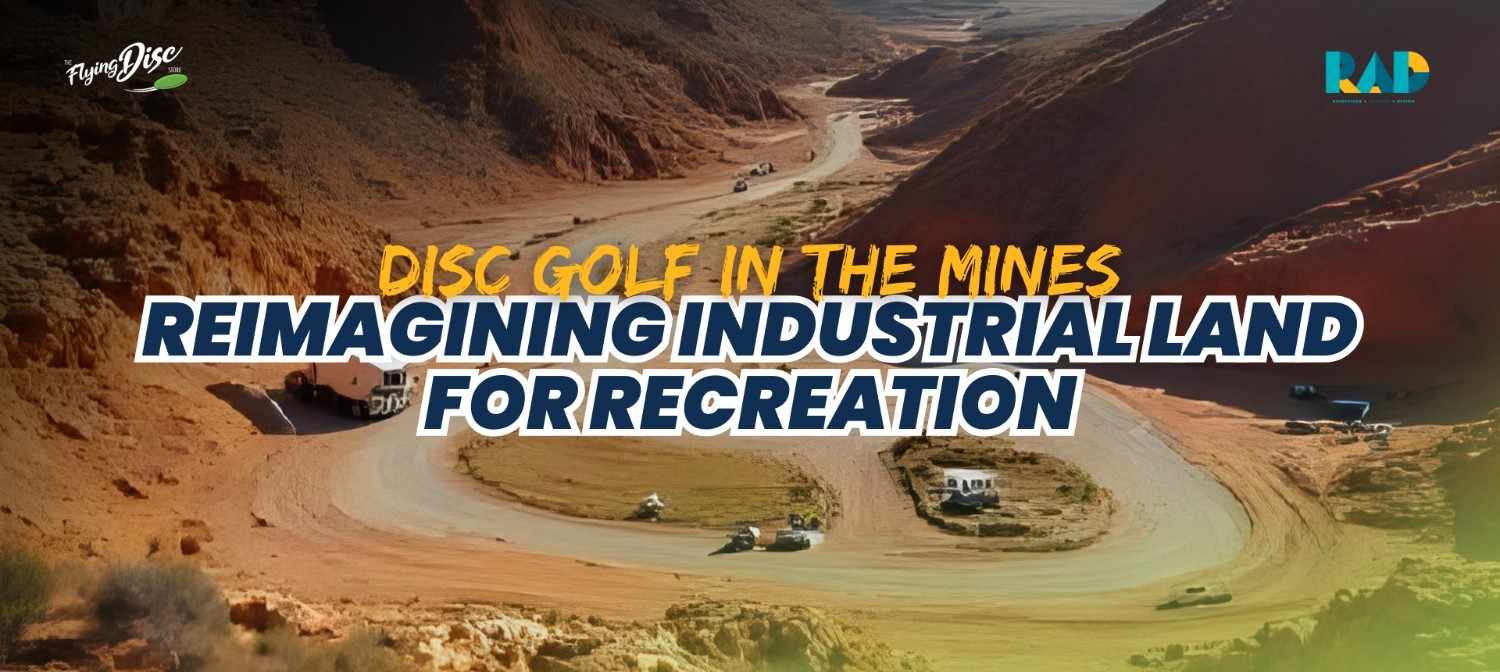
Disc golf in the mines is a practical way to reuse new land. Post-mined areas, such as open pits, provide new economic or ecological opportunities. This includes a fun sports course that anyone can enjoy, regardless of age and skill level.
This article goes through the advantages a disc golf course can offer on rehabilitated lands. It also discusses how partnering with RAD Creations can lead to attractive and engaging courses.
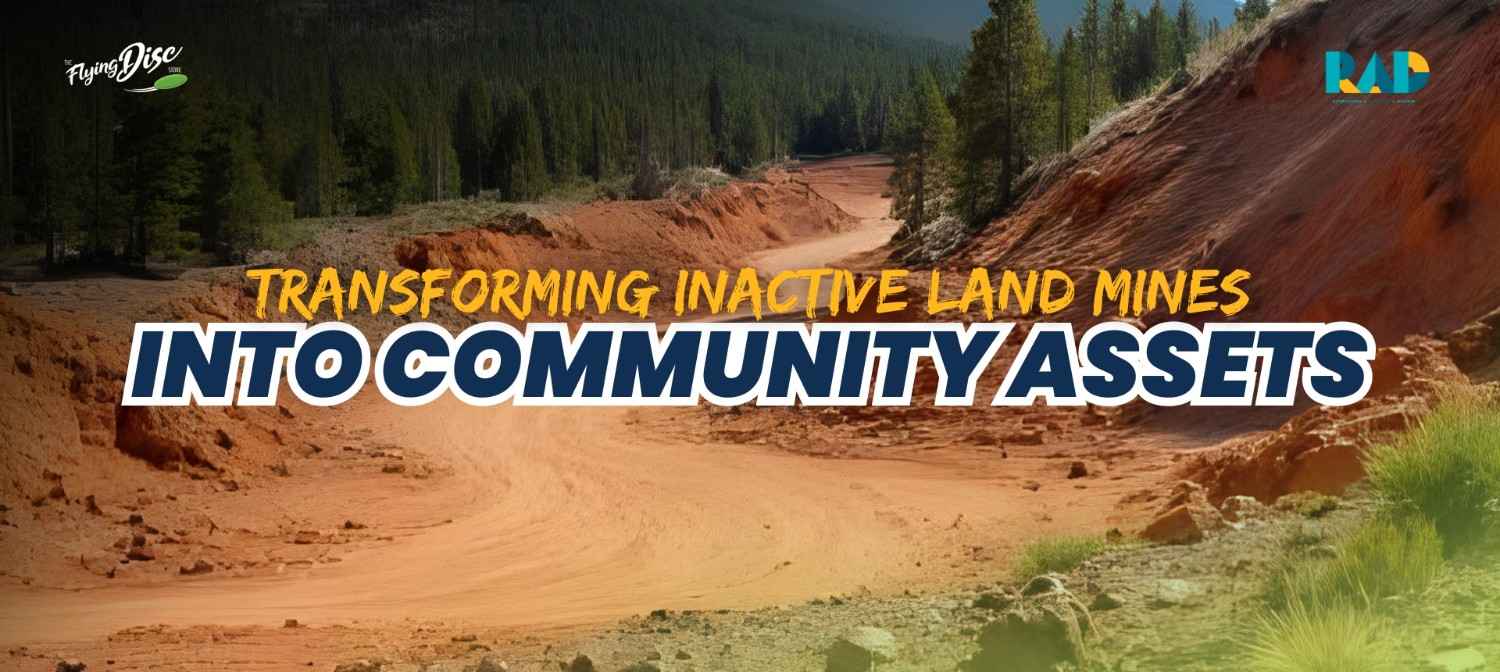
Transforming Inactive Disc Golf Lands in the Mines into Community Assets
Former mining land does not have to remain fenced off or forgotten. With thoughtful planning and course creation, disc golf in the mines boosts community activity and drives tourism.
Working With the Land Already There
One reason disc golf in the mines makes sense is that former mining land often has the kind of varied terrain that creates an interesting course. Slopes, open clearings, tree lines, and rocky features can all become part of the playing experience without requiring major reshaping.
That matters because large-scale redevelopment is often expensive and difficult on post-industrial sites. Disc golf gives councils and landowners a way to work with the site’s existing character rather than trying to erase it.
Creating Value Without Heavy Infrastructure
Traditional sports facilities usually need extensive construction, ongoing maintenance, and a much larger budget. Disc golf is different. A course can begin with a manageable footprint of essential disc golf equipment. It then grows over time if demand increases with new holes or courses.
That lower barrier to entry leads to high participation rates among locals. It also gives decision-makers a more practical way to test public interest before committing to broader recreation upgrades.
Turning Unused Space Into a Local Destination
Inactive mining land often sits outside everyday community life. It is a waste of space that could improve the locals’ quality of life. A well-designed disc golf course gives people a reason to visit the site for something healthy and social.
Families can use the space on weekends, young people can try a sport that feels approachable, and visitors from nearby areas may travel in to play. Over time, what was once seen as leftover land can begin to feel like a shared community asset.
Supporting Community Identity and Renewal
Repurposing old industrial land is not only about recreation. It is also about what the site represents after mining activity ends. When a former work zone becomes a public space, it sends a visible message that the area still has value and a future.
Disc golf helps create that shift in a practical way. Post-mining landscapes often have a negative impact on the community’s image. RAD can give a repurposed mine a new role of boosting the aesthetic of the town or area.
A Flexible Option for Long-Term Planning
Not every former mining site will suit the same type of redevelopment. Some areas can be too costly to convert into conventional parks or sports fields. Disc golf offers more flexibility because it can be adapted to site conditions and budget limits.
That makes it a strong option for staged planning. A course can stand on its own as a recreation asset, or it can become part of a broader vision that includes low-impact community features.
Building Goodwill and Partnerships Through Play
Recreation can do more than fill space after mining ends. It can be a means of building goodwill and partnership among locals.
Showing Commitment Beyond Operations
When former industrial land is turned into a public recreation space, it sends a clear message that investment in the area does not end when extraction does. It shows that long-term community value still matters and that rehabilitation can include social outcomes, not only environmental ones.
This kind of project helps shift the story around closure and transition. Instead of leaving behind a site people rarely enter, organisations can support something visible, practical, and positive that residents connect with in everyday life.
Creating Shared Ownership With Local Partners
Strong projects rarely come together through one party acting alone. Councils, community groups, local clubs, and landholders often bring distinct strengths that can complement one another when the goal is to create a useful public asset.
That partnership model helps spread responsibility and improves long-term outcomes. It also gives the final result more local support because people are far more likely to value and protect a space they helped shape.
Opening the Door to Wider Community Use
A recreation project works best when it feels approachable to a wide range of users. Disc golf in the mines can appeal to families, casual walkers, local players, school groups, and visitors looking for something different to do outdoors.
That broad appeal matters when the goal is goodwill. The more people who feel welcome in the space, the easier it becomes for the project to build positive associations across the wider community rather than serving only a narrow group.
Leaving a Legacy People Can Actually See
Legacy is often talked about in broad terms, but communities usually judge it by what remains useful after the headlines fade. A well-designed recreation space gives people something tangible. They can visit it and see how the land has changed over time.
That is part of what makes disc golf in the mines such a strong legacy option. It turns a former work site into a place of local pride, helping goodwill grow through regular use rather than promises alone.
Strengthening Relationships Over Time
Goodwill is not built in a single announcement. It grows when locals feel that a project was designed for their benefit. Disc golf in the mines can support that by creating regular points of contact for locals, the businesses, and their community councils.
Over time, those shared experiences can strengthen relationships between companies, councils, and residents. The result is not just a new activity on old land, but a more constructive connection between industry history and community future.
RAD’s Experience with Disc Golf in the Mines Remote and Rugged Landscapes
Creating a functional disc golf course in post-industrial, remote terrain requires more than basic planning. It requires practical experience and understanding of how to construct the course with the site conditions in mind.
Planning Around Challenging Terrain
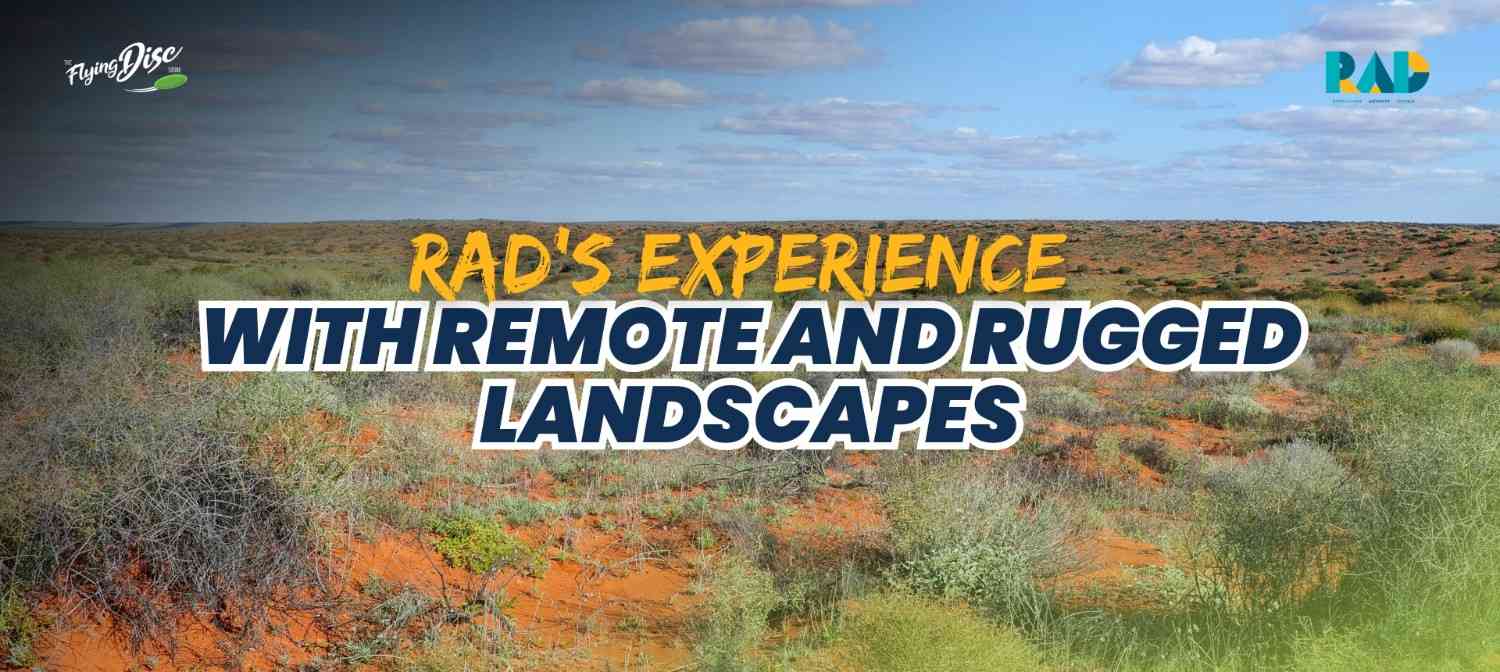
RAD brings deep experience to unusual projects such as unused mines. Remote sites and rehabilitated industrial areas require a design approach that works with the terrain. Applying the normal disc golf course design will not work for this terrain.
That is where experienced planning makes a real difference. In projects involving disc golf in the mines, the layout needs to respond to slopes, access points, visibility, walking flow, and the character of the land itself. A strong course should feel natural on the site while still being safe and enjoyable for a wide range of users.
Course Design That Balances Vision and Function
RAD treats course design as more than simply placing baskets across open space. The goal is to shape a facility that reflects the purpose of the site, serves the community, and makes smart use of the available land.
That could mean creating a welcoming community course for casual play or planning a more advanced layout that attracts experienced players and visitors. With more than 20 years of disc golf design experience, RAD knows how to create a fun and engaging disc golf mine course.
Equipment Built to Last in Tough Conditions
Remote and rugged environments demand equipment that can handle long-term exposure and regular use. RAD supplies durable, high-quality PDGA-approved disc golf baskets, course signage, and tee pads designed to support safety, performance, and reliability over time.
That matters even more in locations where maintenance access may be less frequent or where weather and terrain can place extra pressure on the course. Using proven equipment helps protect the project’s long-term value and gives communities a facility they can trust for years.
Experience Trusted Across Australia
RAD’s track record also adds confidence to complex projects. More courses in Australia use RAD equipment than all other equipment combined, which speaks to both its reliability and industry trust.
That level of adoption is intentional. The trust RAD obtains reflects our understanding of which courses need to remain functional and appealing over the long term. For stakeholders considering disc golf in the mines, that experience can help reduce uncertainty and support better planning decisions.
Making the Most of Natural Features
One of RAD’s strengths is its use of a site’s natural topography and vegetation to shape a better playing experience. Instead of doing expensive construction work, the design process looks for ways to work with its existing contours and environmental conditions.
This approach helps create courses that feel more connected to place. It also supports better land use by integrating natural features into the experience. This is valuable on sites where rehabilitation and sustainability all matter.
A Vision for Disc Golf in the Mines Revitalised Land
Disc golf in the mines gives former industrial land a practical second life by turning it into a space people can actually use and enjoy. It offers a lower-impact way to support recreation, strengthen community identity, and bring new value to land that might otherwise remain unused. With proper planning, post-mining sites can become welcoming destinations that drive local goodwill and future tourism.
RAD Creations can help turn that vision into a course that fits the land, the community, and the project’s long-term goals. Contact our team to discuss disc golf course design for post-mining land today!
FAQ
Is there already disc golf in mining areas?
One notable example of a rehabilitated mining area turned into a disc golf course is The Tom Price Disc Golf Course. This course demonstrates that disc golf can be successful in rugged mining regions. A repurposed mining land with a smart sports course can drive local businesses and tourism.
What makes a former mine site suitable for disc golf?
A former mine site can suit disc golf when the land is stable, safe to access, and suitable for public use after rehabilitation. Natural elevation and distinct terrain features can actually improve the course layout. Smart planning of a course involves matching the design to the current site’s conditions.
Who usually benefits from a disc golf course on post-mining land?
A post-mining disc golf course can benefit local landowners and businesses. Communities gain an accessible outdoor activity, while nearby businesses can enjoy increasing foot traffic. It also gives companies and planners a practical way to leave behind a positive local legacy.





Leave A Comment