
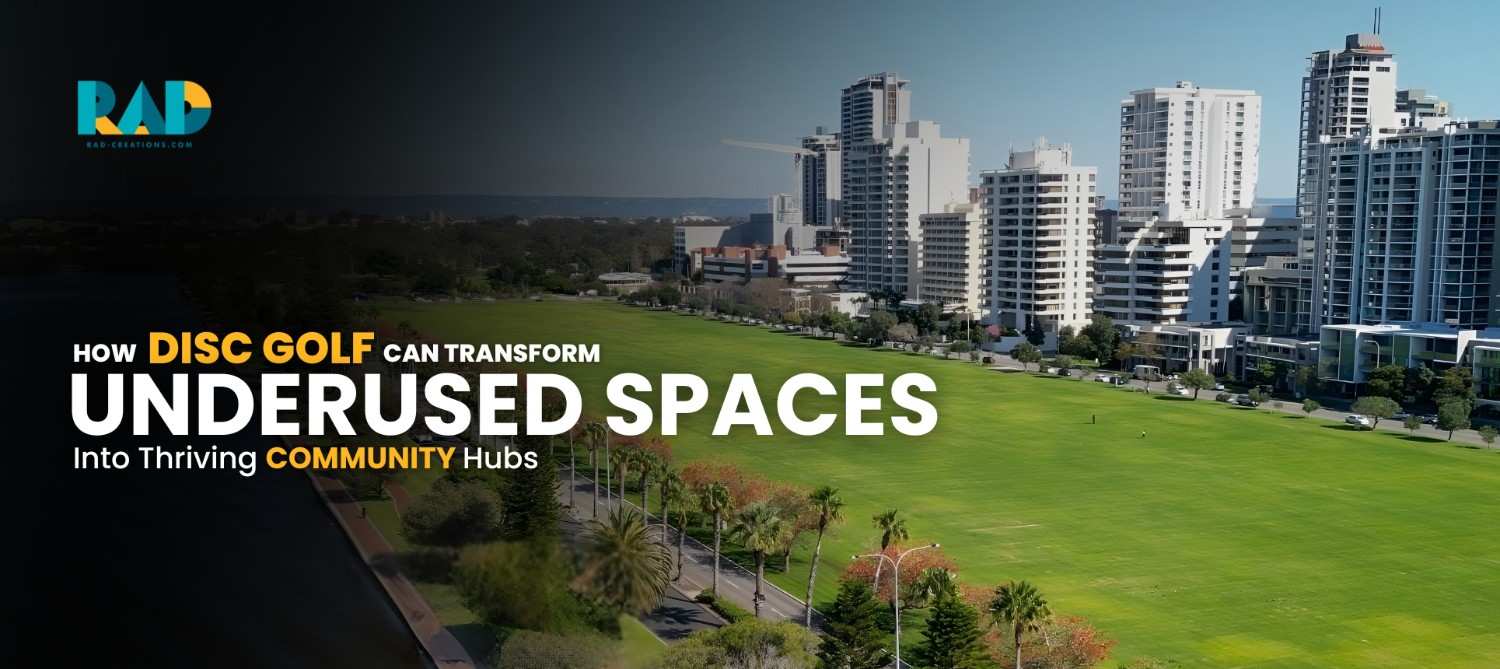
Disc Golf Can Transform Across Australia, underutilised parks, overgrown reserves, and forgotten green spaces are waiting for a second chance. And one sport—disc golf—is leading the transformation.
At RAD (Recreational Activity Design), we believe that great recreation doesn’t require massive infrastructure or multi-million-dollar budgets. It starts with a disc, a basket, and a smart design. With over a decade of experience building disc golf courses across Australia, we’ve seen firsthand how this humble sport can breathe new life into forgotten corners and unite communities of all ages and abilities.
Learn more about what we do.
Here’s how Disc golf can transform is reshaping local spaces into thriving community hubs—and how your council, school, or community can get involved.
Revitalising Unused Parks, Reserves, and Council Land
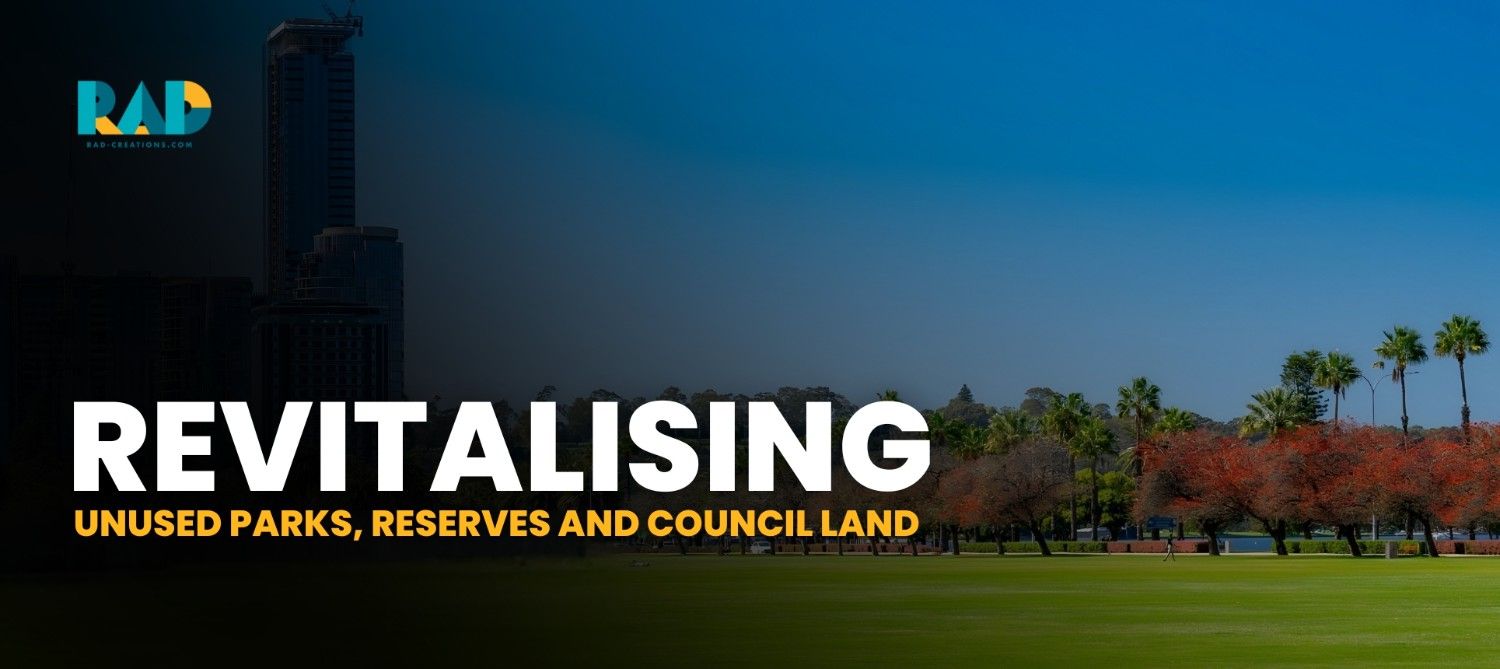
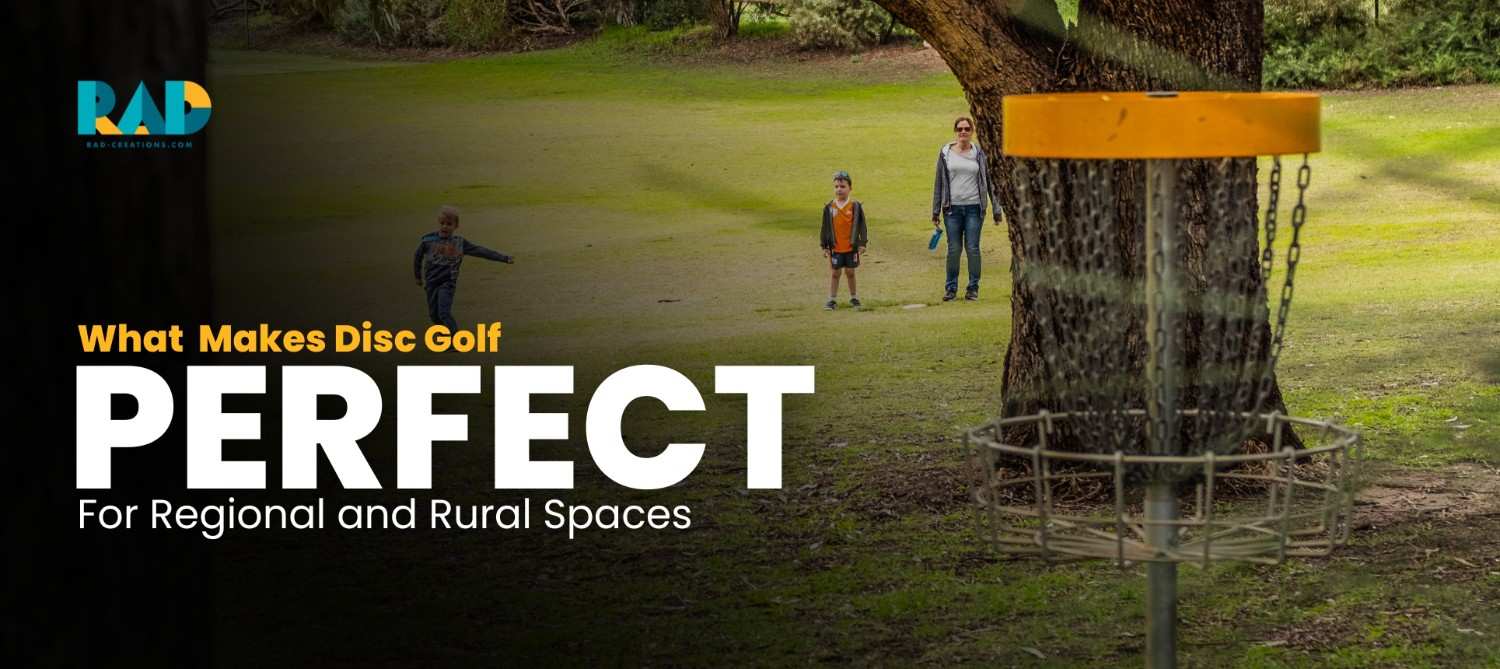
From Disc golf can transform Perth’s urban outskirts to rural WA towns, councils often face the same challenge: what to do with neglected or low-traffic green spaces.
Disc golf is the perfect solution—and is increasingly being recognised as a strategic way to boost park value with disc golf.
Why It Works:
- Minimal Land Impact: No concrete courts, no bright lights, and no invasive landscaping.
- Cost-Effective Installation: A beginner-friendly 6 to 9-hole course can be installed for a fraction of the cost of a traditional sporting facility.
- Adaptive Use of Terrain: Courses are designed to flow with natural contours, trees, and existing paths—reducing development time and expense.
Case Example:
Before: An overgrown reserve in regional WA that attracted rubbish dumping.
After: A 9-hole RAD project attracting families, clubs, and even school excursions. Littering is down, visits are up, and the space now feels like a community asset—not a forgotten lot.
Disc Golf as a Tool for Community Engagement and Inclusion
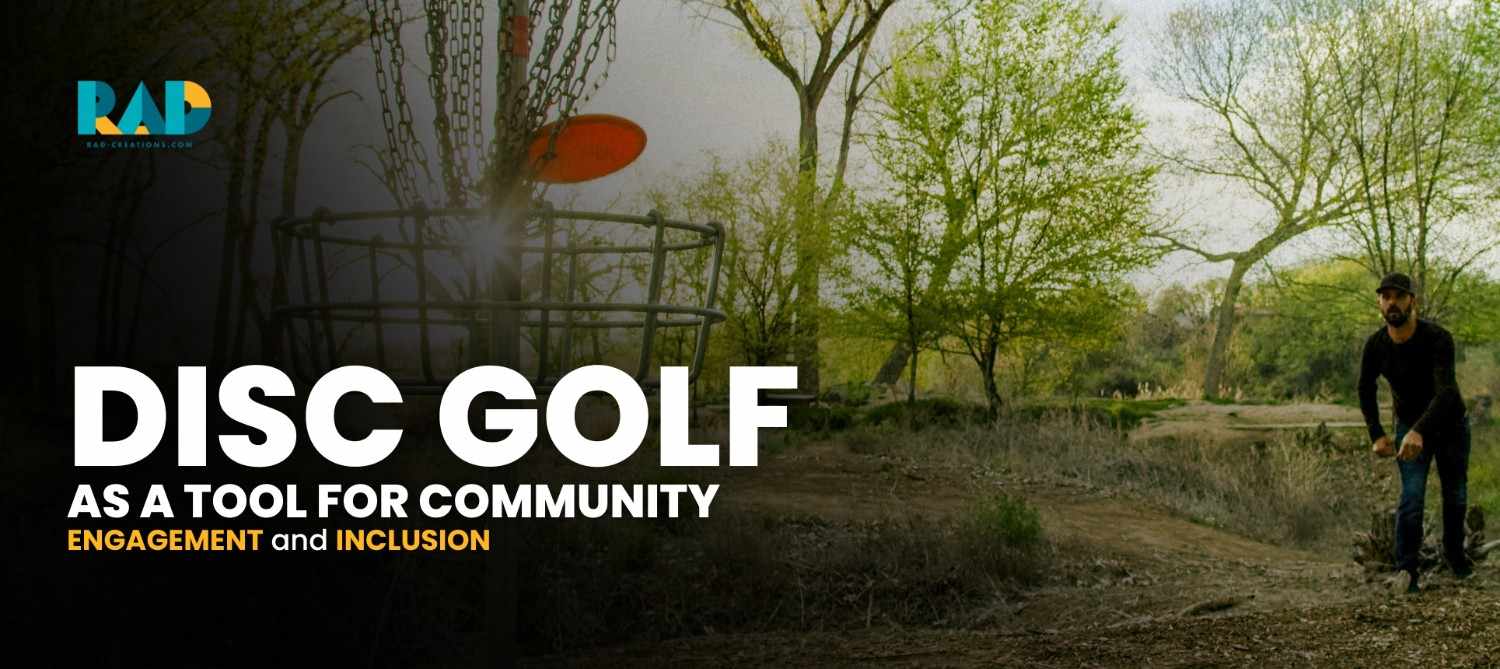
More than just a game, disc golf is an inclusion powerhouse. It’s non-contact, low-impact, and easy to learn—which makes it accessible to people of all ages, abilities, and backgrounds.
Who Benefits:
- Children and youth (especially in areas lacking active sport options)
- Older adults looking for gentle movement and connection
- People with physical or neurodiverse challenges
- Local families seeking affordable, outdoor fun
Disc golf can transform has become a standout activity for schools and young people, encouraging outdoor play. It’s an excellent resource for councils looking to support children’s wellbeing—especially considering the appeal of disc golf for kids as an antidote to screen-heavy lifestyles.
RAD-designed events often become more than competitions—they’re community celebrations. Local clubs form organically, school groups begin PE sessions, and neighbours become teammates.
Bonus:
Because Disc golf can transform courses are free to play and open-access, they remove economic barriers that limit participation in many sports.
Want to try it yourself? You can find a disc golf course near you and experience how inclusive and fun the sport can be.
The Economic and Social ROI of Installing a Disc Golf Course
Disc golf can transform may not need a big investment—but it delivers big returns.
Economic Returns:
- Increased foot traffic to surrounding businesses (cafes, bakeries, local shops)
- Tourism opportunities with visiting players, tournaments, and social media coverage
- Activated land value with a safe, used public space attracting potential developers
The economic benefits of Disc golf can transform development can be seen across Australia, as highlighted in RAD’s course boosting local economy & visitor numbers.
Social Benefits:
- Boosted mental and physical health through low-pressure movement in nature
- Enhanced social connection in isolated or low-engagement areas
- Opportunities for youth leadership and volunteerism through club activities
Schools are also incorporating disc golf into structured wellness and curriculum programs to drive more engagement. Several institutions nationwide have adopted RAD-designed layouts to support physical development through enhanced physical education programs.
Whether it’s a regional town trying to revitalise its main park or a city suburb rethinking underutilised council land, disc golf creates ripple effects that go far beyond the fairway.
Google Review Highlight
“Our council partnered with RAD to convert a forgotten reserve into a disc golf course, and the transformation has been incredible. What was once a neglected block is now a buzzing community hub. Families are out there every weekend, and local schools have even started using the course for PE. Best community project we’ve done in years.”
— Karen M., Community Engagement Officer, WA Local Council
Frequently Asked Questions
Can disc golf be installed in areas shared with walkers or other park users?
Yes! RAD designs courses that prioritise safety and co-use. Clear signage, smart fairway angles, and buffer zones mean disc golf can thrive alongside walking trails, playgrounds, and even dog parks.
How long does it take to install a course?
Depending on the land and complexity, courses can be designed and installed in 2–8 weeks. Smaller “pilot” courses or school installations are even faster. RAD handles the full process—from concept to completion.
What does it cost to start a disc golf course project?
Entry-level courses start in the low thousands, especially when using existing public land. RAD provides scalable packages for councils, schools, and landowners with budget-friendly design and installation options.
Final Thoughts: Small Change, Big Impact
Disc golf is more than a sport—it’s a simple, smart way to bring people together, breathe life into underused land, and create lasting community value.
From revitalising forgotten parks to building vibrant hubs of activity, RAD’s eco-friendly, community-first approach ensures every course does more than entertain—it empowers.
Ready to explore a project for your community?
Contact RAD to get started.

Leave A Comment